
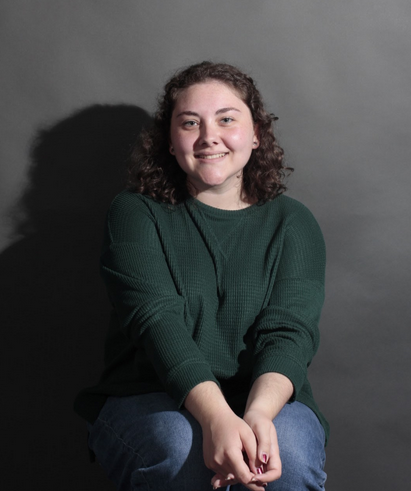
Hi, my name is Katie Moldow and I currently go to Ramapo College. I had the opportunity to be an intern for the Mahwah Museum. My role consisted of digitizing photographs and documents ranging from 1880 – 1970. As a student of photography with an interest in archival work, this internship answered my questions and fulfilled my curiosity. This was a great stepping stone in my art involved career path.
The work that I did was for the Archives and Editing department of the museum, being supervised by its very own Vice President, Cathy Moran Hajo. Photos and documents were brought to campus by Cathy and then collected by me, where I would then bring them to my college’s photography lab. The boxes of photos I brought to the lab were organized by Cathy and labeled by who donated them. My job was to scan each photo and upload the image along with any written information provided on the physical photo, onto an archival software called CatalogIt. On CatalogIt I would pull up the photo, describe who or what was in the photo, pick the print type (i.e albumen print, gelatin print, polaroid, etc.), add the location of the photo, the year it was taken, and mention who donated the collection. This process was really interesting because it not only taught me how to properly handle and talk about old photographs and documents, but also gave me insight into the history and families of old Mahwah.
I specifically cataloged the Young family. A family that lived in Rockland County NY, but have relatives and descendants in Mahwah. Their family photos that ranged from the 19th-20th centuries displayed the celebrations, travel, pets, homes, and everyday lives of a suburban family. Throughout this internship I watched children grow, parents become grandparents, homes be built, pets be cuddled, and most interestingly, people branch off of their own family tree into new ones. Some other families that were featured, ones that the Young children married into, were the Morriss, Hagerman, and Van Houten families. It was fascinating to see who was related to who, who lived where, and who married who.
Sometimes certain photos were not labeled or the person in the photo was not identified. To overcome this obstacle, I placed these photos aside and waited for a similar face, name, or detail to show up. The Young family in particular has 3 out of 4 daughters that look almost completely identical. To tell them apart or to properly describe who was in an unmarked photo, I found small details about their hair, faces, and personal styles that differentiated them from the others. For example the youngest daughter wore her hair exclusively in braids and pigtails as a young child, the middle daughter wore glasses during her childhood and into her adulthood, and the oldest wears the most accessories out of all of them as well as being the tallest in group family photos. If I couldn’t identify one of them in an unmarked photo, I would look for these types of things to help me catalog them.
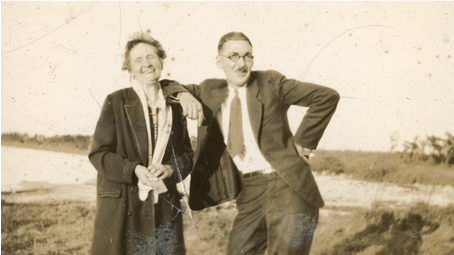
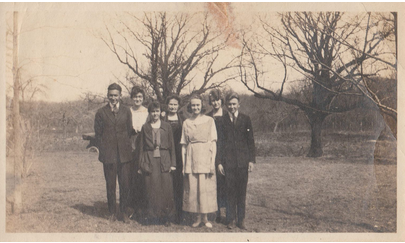
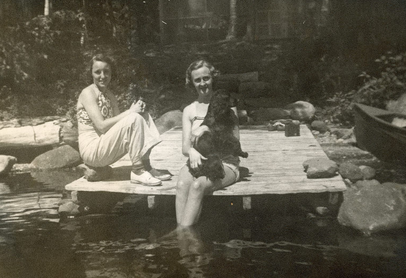
This experience has allowed me to step foot into a job that I might potentially look for after I graduate. I have learned to appreciate the delicacy of old objects and the history they carry. Not only does photography open a door to the past, but it gives me insight into the stories told and the lives lived in the Young family. I have a new found respect and knowledge of what goes into archival work, the material handled and the information that is cataloged.
To see some more of the images that Katie digitized for us, click here and search for “Katie”!

Leave a Reply